
Drone Engineering
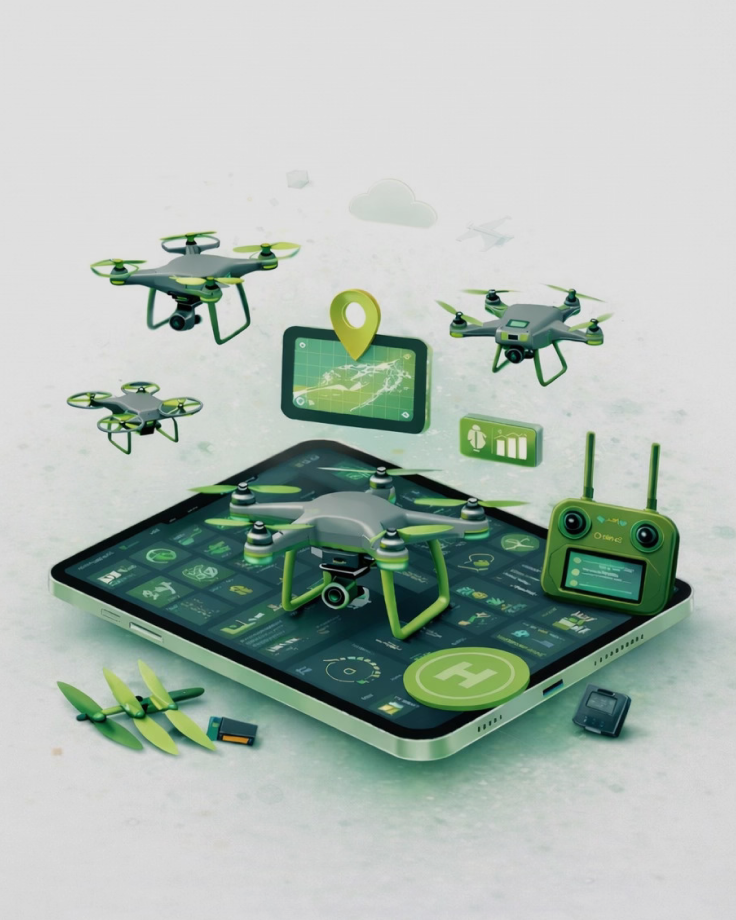
Drone Engineering is a practical course that introduces children to how drones work, what components they consist of, and how they are used in different fields in a simple and engaging way. Throughout the course, children learn about the main parts of a drone, flight principles, balance and direction, as well as the rules for safe drone use. The training is based on visual examples, simulations, and game-based activities. The course develops children’s interest in technology, engineering mindset, logical thinking, and problem-solving skills.
Üstünlüklərimiz
Professional Mentors
Guidance and support from experienced specialists
Practical Learning
Not just theory — hands-on experience through real projects
Modern Technologies
Python, AI, web development and other trending fields
Career Support
CV preparation, interview simulations and access to job opportunities
Curriculum
UAV (Drone) Technologies
- 1.Modul 1.Introduction and Aerodynamics Fundamentals In this section, basic knowledge about UAVs and how they stay in the air is taught. • Introduction to UAVs: General information and classification. • Fixed-Wing UAVs: Types, selection of wing profiles, and control elements. • Multicopters (Drones): Types, components, and control mechanisms. Modul 2. Electronics and Power Systems Basic electronics lessons to understand the drone's electronic system and power supply. • Basic Electronics: Concepts of current, voltage, frequency, and the use of measuring instruments (Multimeter, Oscilloscope). • Power System: Batteries (Li-Po), power supplies, and voltage converters. • Propulsion System: Brushless motors, servos, and ESC (Electronic Speed Controller) operating principles. • Thrust: Propeller selection and motor-propeller compatibility. Modul 3. Radioelektronika və rabitə Technologies for remote control and data transmission of the drone. • Radio Communication: Radio waves, working principle of transmitters and receivers. • Control: Remote control types, manual control of motors via remote controller. • Telemetry and Video: Long-distance data transmission, camera systems, reception and transmission of video signals. Modul 4. Flight Controller and Navigation Programming the flight controller, which serves as the "brain" of the drone. • Flight Controller: Modern controllers, IMU sensors. • Navigation: GPS system, RTK and PPK technologies, precise coordinate determination. • System Integration: Sensor reading with Arduino, connecting the remote controller with the flight controller, and testing. Modul 5.Design, Manufacturing, and Assembly The process of physically creating the drone from scratch. • Design: Preparing the 3D model of the drone and selecting suitable components. • Hands-on Design: Everyone will design their own drone model practically in the selected 3D modeling software and will be provided with relevant homework assignments. • Manufacturing: 3D printing the components. • Assembly: Assembling the frame, placing the electronics, and calculating the effective payload (useful load). Modul 6.Software, Flight, and Safety Preparing the drone for flight and conducting field tests in the final stage. • Programming: Mission planning (Mission Planner, QGroundControl, etc.) and setting up autonomous flights. • Simulation and Flight Preparation: Practice in simulators, calibration, and familiarity with safety regulations. • Practical Flights: Conducting real flights and post-flight technical inspection. • Defense Systems: Counter-drone (anti-drone) systems and methods of protection against them.
Autonomous Drone Systems: From Simulation to Real Application
- 1.Modul 7. Introduction to Linux and Virtual Environments • Linux, Ubuntu, and Virtual Machine concepts • Ubuntu 22.04 installation and Terminal basics • Working with files and directories + Mini project Modul 8. Gazebo and Drone Simulation Environments • Concept of simulation and introduction to Gazebo • Gazebo installation and interface • Virtual drone and initial setup • Controlling the drone from the terminal • Mission Planner and mission planning • Mini project – Drone mission in simulation Modul 9. Python Fundamentals in Linux Environment • Introduction to Python and data types • List, Dictionary, and conditionals • Functions • Modules and libraries • OOP fundamentals • Mini project – Python script Modul 10. Drone Control in Simulation via Python (DroneKit) • DroneKit and reading drone telemetry/state • Take-off and Landing commands • Drone movement and trajectory control • Sensor and telemetry data • Mini project – Autonomous flight Modul 11. AI-Driven Drone Control in Simulation • AI, Computer Vision, and drones • Image processing with OpenCV • Object detection – YOLO • Object tracking – Tracking • Practical lesson on tracking • Full pipeline – YOLO + SORT Modul 12. Edge Computing and Real Hardware • Edge Computing and mini computers • System setup and sensors • Executing Python scripts on real hardware • Camera and object detection on real hardware • Simple decision-making mechanisms with AI • Final project – AI-powered autonomous drone
Our Top Graduates
Bu kurs üçün hələ məzun məlumatı əlavə olunmayıb.
Our Teachers
Frequently Asked Questions
idtech is a modern learning ecosystem providing education in technology, programming, and digital skills.
You can register by filling out the form in the 'Apply' section on our website.
Our courses are suitable for both beginners and those looking to deepen their expertise.
Yes, lessons are available both online and in classrooms.